Skip to content



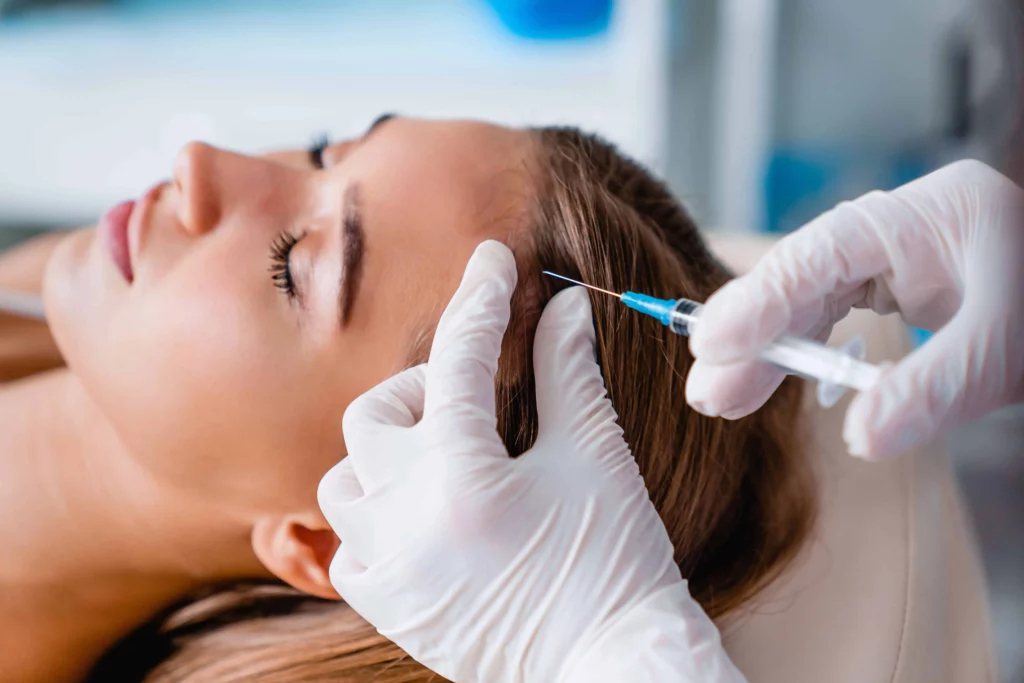
Table of Contents
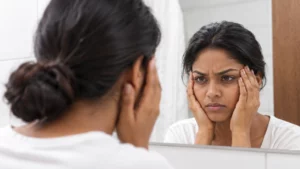
Hair fall is common, but persistent shedding, reduced hair density and visible thinning can be difficult to manage. Whether you are noticing a widening part, a receding hairline or increased hair fall while washing or brushing, the first step is understanding why it is happening.
Hair loss can have several causes, including genetics, hormonal changes, nutritional deficiencies, stress and certain medical conditions. This also means that there is no single hair regrowth treatment that works for everyone.
The right approach depends on the type of hair loss, the condition of the scalp, the extent of thinning and individual health factors. Treatments such as Platelet-Rich Plasma (PRP), Magick PRP, mesotherapy and other scalp therapies may be considered depending on the assessment.
At Isya Aesthetics, New Delhi, hair treatments are designed around individual concerns. This guide explores the available treatment options, how hair loss can differ between men and women, and when to consult a dermatologist.
What Causes Hair Loss in Men and Women?
Hair loss can occur for several reasons. Identifying the underlying cause is important because different types of hair loss may require different approaches.
Some common causes include:
- Genetics: Androgenetic alopecia, commonly known as male or female pattern hair loss, can run in families.
- Hormonal changes: Pregnancy, menopause, thyroid-related changes and conditions such as PCOS can influence hair growth.
- Nutritional deficiencies: Inadequate intake or low levels of certain nutrients may contribute to hair shedding.
- Stress: Physical or emotional stress can disrupt the hair growth cycle and contribute to increased shedding.
- Lifestyle and hair practices: Excessive chemical treatments, tight hairstyles and unsuitable hair-care practices may contribute to hair damage or hair loss.
- Medical conditions and medications: Certain illnesses and medications can affect the normal hair growth cycle.
The pattern of hair loss also matters. Gradual thinning, sudden shedding and localised bald patches can indicate different concerns.
If you are experiencing reduced hair density rather than noticeable shedding, our guide to low hair density versus hair thinning explains the distinction.
Dermatologist-Recommended Hair Loss Treatments at Isya
Hair loss and thinning can affect both men and women, although the underlying causes and individual treatment requirements may differ. At Isya Aesthetics, Dr. Kiran Sethi recommends treatments based on the individual’s hair and scalp concerns, whether the goal is to support the hair-growth cycle, improve hair thickness, reduce hair fall or enhance overall hair and scalp health. All treatments offered for women can also be performed for men, with the treatment plan tailored to individual needs. Additional options include the Hair Fall IV Drip and NAD IV Drip, with NAD specifically recommended for perimenopausal and menopausal women.
When Should You Consult a Dermatologist for Hair Loss?
Dr. Kiran Sethi recommends consulting a hair or skin doctor if you experience any of the following:
- Hair fall lasting longer than four weeks: Persistent hair shedding should be evaluated to understand its underlying cause.
- Patchy hair loss: Noticeable patches of hair loss need medical assessment rather than being treated as ordinary hair shedding.
- A rash on the scalp: A scalp rash may indicate an underlying scalp condition that requires attention.
Early consultation can help identify the cause of hair loss or scalp concerns and determine an appropriate treatment plan.
Hair Loss Treatments at Isya Aesthetics
Hair loss and thinning can affect both men and women, although the underlying causes and individual treatment requirements may differ. At Isya Aesthetics, Dr. Kiran Sethi recommends treatments according to the individual’s hair and scalp concerns, whether the goal is to support the hair-growth cycle, improve hair thickness, reduce hair fall or enhance overall hair and scalp health. All hair treatments offered for women can also be performed for men, with the treatment plan tailored to individual needs.
Isya offers several treatment options, including PRP, PRF Liquid Gold, Exosome Scalp Therapy, ClearSkin Scalp Laser and Polynucleotide Scalp Therapy. Additional options focus on hair quality and scalp health. Hair Fall IV Drip is also available, while NAD is an additional option for women experiencing perimenopause or menopause.
1. Treatments to Support the Anagen (Hair Growth) Phase
The anagen phase is the active growth stage of the hair cycle. Supporting this phase is one approach to addressing hair thinning and promoting healthy hair growth.
PRP Therapy for Hair Loss
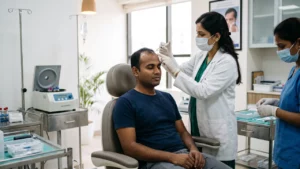
Platelet-Rich Plasma (PRP) therapy uses a concentrated preparation of platelets obtained from the patient’s own blood. A small blood sample is collected and processed to separate the platelet-rich component, which is then administered into the scalp.
Platelets contain growth factors involved in tissue repair and cellular signalling. PRP is used in selected cases of hair thinning to support hair follicle activity and the hair-growth cycle.
Who may consider it?
Men and women experiencing early to moderate hair thinning, following an appropriate assessment.
Explore PRP and Advanced PRP for Hair Loss at Isya.
PRF Liquid Gold
Liquid Gold is a platelet-rich fibrin (PRF) treatment used to support the hair-growth cycle and help lengthen the anagen phase. It can also be considered as part of a treatment approach for improving hair thickness.
Treatment protocol: 3 sessions, spaced 3–6 weeks apart.
Learn more about Liquid Gold at Isya.
2. Treatments to Improve Hair Thickness
Hair thinning can involve a reduction in hair density or the thickness of individual hair strands. Treatments may be selected to address these concerns and support healthier-looking hair.
Microneedling with Dutasteride or Bicalutamide
Scalp microneedling with dutasteride or bicalutamide is used as a hair-thickening approach. The selected medication is incorporated into a scalp treatment plan based on individual assessment and suitability.
ClearSkin Scalp Laser
ClearSkin Scalp Laser is offered to support hair thickening and growth. It helps improve the thickness of the hair shaft and may be considered for individuals experiencing reduced hair thickness.
Treatment protocol: 4–6 sessions, spaced 2–3 weeks apart.
Liquid Gold (PRF)
In addition to supporting the anagen phase, Liquid Gold can be used to support hair thickness and growth.
Treatment protocol: 3 sessions, spaced 3–6 weeks apart.
3. Treatments to Reduce Hair Fall and Support Hair Growth
Exosome Scalp Therapy
Exosome Scalp Therapy is recommended to help reduce hair fall and support hair growth. It may be considered for individuals experiencing increased shedding or concerns about reduced hair growth, following an appropriate assessment.
Treatment protocol: 4–6 sessions, spaced 3–4 weeks apart.
4. Treatments to Support Scalp Blood Flow and Hair Growth
Polynucleotide Scalp Therapy
Polynucleotide Scalp Therapy is used to support scalp blood flow and promote hair growth. It may be considered as part of a personalised approach to hair thinning and scalp health.
Treatment protocol: 6 sessions over 6 months.
Explore Polynucleotide Scalp Therapy at Isya.
5. Treatments to Improve Hair Quality
Hair quality concerns may involve changes in texture, condition and overall appearance. Isya offers additional treatments focused on improving hair quality.
- CryoBreeze: Offered as an option to support hair quality.
- Magick Hair Rescue: A hair treatment focused on improving overall hair quality.
Explore Magick Hair Rescue at Isya.
6. Treatments for Scalp Health and Dandruff
Scalp health is an important part of overall hair care. Dandruff and other scalp concerns may require attention alongside treatments focused on hair growth.
K Beauty Pro Hair Spa
K Beauty Pro Hair Spa focuses on scalp health, dandruff management and overall hair health. It may be considered for individuals looking to address scalp-related concerns as part of their hair-care routine.
7. Additional Hair and Scalp Treatment Options
Alongside the treatments described above, Isya offers other options that may be considered depending on individual hair and scalp concerns:
- CryoRelief: An additional hair-treatment option.
- Stem cell treatments: Another option within Isya’s hair-treatment offerings.
- HydraFacial Keravive: A scalp-focused treatment. Explore HydraFacial Keravive at Isya.
8. IV Drip Options for Hair and Wellness Concerns
Hair Fall IV Drip
The Hair Fall IV Drip is another option offered at Isya as part of its hair-fall treatment offerings. Its suitability can be discussed during consultation.
NAD for Perimenopausal and Menopausal Women
Women going through perimenopause or menopause may experience changes in their hair and overall wellbeing. NAD is an additional option recommended for women during these stages. Its suitability should be discussed with the treating doctor as part of an individual assessment.
What Is the Recommended Number of Sessions?
The number and frequency of sessions depend on the treatment selected and the individual’s hair and scalp concerns. The following protocols have been provided by Isya:
| Treatment | Recommended sessions | Interval |
| Exosome Scalp Therapy | 4–6 sessions | Every 3–4 weeks |
| PRF Liquid Gold | 3 sessions | Every 3–6 weeks |
| ClearSkin Scalp Laser | 4–6 sessions | Every 2–3 weeks |
| Polynucleotide Scalp Therapy | 6 sessions | Over 6 months |
The treatment plan may vary depending on individual requirements and the doctor’s assessment.
For an overview of the available services, explore hair treatments at Isya Aesthetics.
Hair Loss Treatments for Men and Women
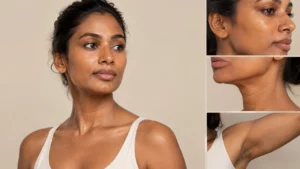
Hair loss can affect men and women differently. Men commonly experience androgenetic alopecia, which may involve a receding hairline, thinning around the temples or reduced density at the crown. Women may experience diffuse thinning, a widening part or increased shedding.
Hormonal fluctuations, PCOS, pregnancy-related changes, menopause, nutritional deficiencies, stress and genetic factors can all contribute to hair concerns.
Although the pattern and underlying causes may differ, all hair treatments offered for women at Isya can also be performed for men. The choice of treatment is based on the individual’s hair-loss pattern, scalp condition and treatment goals rather than gender alone.
Women experiencing hair loss alongside irregular periods, acne or other symptoms associated with hormonal changes may also benefit from an assessment for PCOS. Read more about PCOS-related concerns and treatment at Isya.
For a deeper understanding of different patterns of hair loss, read our articles on female balding and its causes and hair loss in men.
When Should You See a Dermatologist for Hair Loss?
It is normal to lose some hair every day as part of the natural hair growth cycle. However, persistent or noticeable changes in hair density should not be ignored.
Consider consulting a dermatologist if you notice:
- Increased hair shedding over several weeks.
- A widening part or visibly reduced hair density.
- A receding hairline or thinning around the crown.
- Sudden or patchy hair loss.
- Hair loss accompanied by scalp irritation, itching or scaling.
- Hair thinning alongside hormonal or other health-related symptoms.
- Hair loss that continues despite changes to your hair-care routine.
Sudden or patchy hair loss, particularly when accompanied by scalp inflammation or other symptoms, deserves timely medical assessment.
What happens during a hair-loss consultation?
A hair consultation should begin with understanding the pattern and possible cause of hair loss.
The assessment may involve:
1. Medical and hair history
The dermatologist may ask about the duration of hair loss, family history, recent illness, stress, medication use, nutritional habits and hormonal changes.
2. Scalp and hair assessment
The scalp and hair density are examined to understand the pattern of thinning, shedding or other visible changes.
3. Identifying possible contributing factors
Depending on the history and examination, the dermatologist may consider whether hormonal changes, nutritional deficiencies, medical conditions or genetic factors are contributing to hair loss.
4. Further investigations, when required
Blood tests or other investigations may be recommended if the clinical assessment suggests an underlying medical or nutritional concern. The tests selected depend on the individual’s symptoms and medical history.
5. Personalised treatment planning
Once the likely cause and pattern have been assessed, suitable treatment options can be discussed. These may include scalp treatments, PRP-based approaches or other interventions, depending on the individual’s requirements.
At Isya, the treatment plan should be discussed with the clinical team before beginning a course of sessions.
How Long Does Hair Regrowth Take?
Hair growth is gradual, so improvements are not usually immediate. Even when a treatment is suitable, the visible changes may take time.
The timeline depends on:
- The underlying cause of hair loss.
- The extent of follicular thinning.
- The treatment selected.
- The number and frequency of sessions.
- Individual response.
- Whether contributing medical or lifestyle factors are also addressed.
The existing Isya page notes that PRP results may become noticeable over a few months following consistent sessions. However, results vary and no treatment can guarantee regrowth in every case.
It is also important to understand that some forms of hair loss are more responsive to treatment than others. Where follicles have been permanently damaged or lost, regrowth may be limited.
For more information, read why hair regrowth can slow down after the first few months of treatment.
Frequently Asked Questions
Is hair loss treatment different for men and women?
Yes. Men and women can experience different patterns and causes of hair loss. Men commonly experience male pattern baldness, while women may experience diffuse thinning, female pattern hair loss or shedding associated with hormonal and nutritional factors. Treatment should be selected according to the underlying cause.
Can hair grow back after hair loss?
Hair regrowth is possible in some forms of hair loss, particularly when the follicles remain capable of producing hair and the underlying cause can be addressed. However, regrowth is not guaranteed. The outcome depends on the type, duration and severity of hair loss.
How long do hair-loss treatments take to show results?
Hair regrowth takes time. Some treatments may require several sessions over a few months before changes become noticeable. The timeline depends on the treatment, the cause of hair loss and individual response.
Which is the best hair regrowth treatment?
There is no single best treatment for everyone. PRP, Magick PRP, mesotherapy, scalp microneedling and other scalp therapies may be considered for different hair-loss concerns. A dermatologist can help identify the most appropriate option after assessing the scalp and hair-loss pattern.
Is PRP effective for hair loss?
PRP is used in selected cases of hair thinning. It involves preparing a platelet-rich component from the patient’s blood and administering it into the scalp. Its suitability and potential benefits depend on the type of hair loss and individual response.
How does Magick PRP differ from regular PRP?
Magick PRP is an enhanced PRP treatment offered at Isya. It uses a specialised preparation intended to provide a concentrated platelet-rich solution. The recommended course listed by Isya is approximately 4–6 sessions, with spacing determined by the treatment plan.
How often should I get mesotherapy sessions?
The existing Isya page describes an initial schedule of approximately every 2–4 weeks, followed by maintenance sessions when appropriate. The actual schedule should be confirmed with the treating team.
Is hair loss permanent?
Not all hair loss is permanent. Some types of shedding are temporary and may improve once the underlying cause is addressed. Genetic hair loss and certain scarring conditions may require longer-term management.
Can hair loss be treated without surgery?
Yes. Several non-surgical options may be considered for hair thinning, including PRP, Magick PRP, mesotherapy, scalp microneedling and other scalp treatments. Their suitability depends on the type and extent of hair loss.
Explore Hair Loss Treatments at Isya Aesthetics, Delhi
Hair loss can have different causes, and choosing a treatment without understanding the underlying concern may not address the problem effectively.
At Isya Aesthetics in Vasant Vihar, New Delhi, consultations help guide treatment selection according to individual hair and scalp concerns.
Whether you are experiencing early thinning, reduced hair density, a receding hairline or persistent shedding, the first step is an assessment with the clinical team.
Explore hair treatments at Isya and discuss the available options.