Skip to content


Table of Contents
Dull, tired-looking skin is increasingly being treated as more than a skincare problem. In Delhi, IV therapy has become popular among people looking for hydration, nutritional support, and a refreshed appearance, particularly before travel, events, or periods of high stress.
But with different formulations marketed as beauty drips, glow drips, vitamin drips, and skin-brightening IVs, choosing an infusion based on its name alone can be misleading.
The right approach is to understand what the formulation actually contains, what it is intended to address, and whether IV administration is medically appropriate for you.
If you are comparing different formulations, our guide to which IV drip is right for you provides a broader overview of IV therapy options.
How Do IV Drips Work for Skin?
An IV infusion delivers fluids and its prescribed ingredients directly into the bloodstream, bypassing the gastrointestinal tract.
This route can be useful when intravenous administration is medically indicated, particularly for fluid replacement or when oral intake or absorption is inadequate. However, IV delivery does not automatically mean a treatment will produce better skin results than an oral supplement or topical treatment.
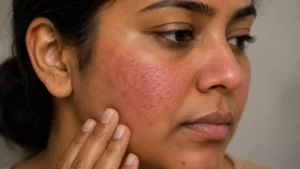
For cosmetic skin concerns, the underlying cause still matters. Dehydration, nutritional inadequacy, pigmentation, acne, photoaging, and skin-barrier problems require different approaches.
This is why a dermatologist-led assessment is more useful than selecting a drip solely because it is marketed as a “glow” treatment.
The Most Common IV Drips for Skin and Wellness
1. Glutathione IV Drip
Glutathione is an antioxidant involved in the body’s cellular redox processes. Because of its potential effects on melanogenesis, it has been marketed extensively as a skin brightening IV drip and for cosmetic skin lightening.
However, the evidence needs to be interpreted carefully.
A recent systematic review found only limited evidence for IV glutathione in skin lightening, including a single placebo-controlled IV study, while noting methodological limitations and safety concerns. Earlier reviews likewise concluded that evidence for intravenous glutathione in cosmetic skin lightening was inadequate.
Therefore, terms such as “glutathione IV skin lightening” or “IV drip for skin whitening” should not be interpreted as evidence that IV glutathione reliably or safely changes a person’s natural skin colour.
What is it actually used for?
Glutathione may be considered in specific clinical contexts, but using IV glutathione solely for cosmetic lightening requires particular caution.
There are also risks associated with intravenous administration. In August 2026, the U.S. FDA reported adverse events associated with compounded IV glutathione made using dietary-supplement-grade material, including reactions consistent with endotoxin exposure.
For this reason, the source, formulation, sterility, dose, medical indication, and supervision matter considerably.
2. Vitamin C IV Therapy
Vitamin C plays important roles in collagen synthesis and antioxidant function.
A vitamin C infusion may therefore be discussed as part of nutritional or wellness-oriented IV therapy, particularly when there is a clinically relevant reason for intravenous supplementation.
However, a vitamin C drip should not be confused with a direct treatment for pigmentation, acne scars, melasma, or other specific dermatological conditions.
If pigmentation is the primary concern, a dermatologist may recommend a treatment plan targeting melanogenesis and the underlying cause rather than relying on IV supplementation alone.
3. Beauty or Glow Drips
A beauty IV drip or glow drip is usually a combination formulation containing multiple vitamins, minerals, antioxidants, fluids, or other ingredients.
The important point is that there is no single standardized “beauty drip.” Formulations can differ substantially between clinics.
Before choosing one, ask:
- What ingredients does it contain?
- In what doses?
- Why is each ingredient being included?
- Is there a specific nutritional or medical indication?
- Are there any interactions with your medications or medical conditions?
- Is IV administration actually necessary?
A formulation should be selected based on an individual’s health and nutritional needs rather than simply its marketing name.
4. Hydration-Focused IV Therapy
Sometimes what appears to be dull or tired skin is partly associated with inadequate fluid intake or dehydration.
A hydration-focused infusion may provide fluids when IV hydration is clinically appropriate. However, hydration is different from treating pigmentation, collagen loss, acne, or chronic skin disease.
If your primary concern is dehydration-related dullness, hydration and adequate oral fluid intake may be more relevant than a complex combination infusion.
Which IV Drip Is Best for Skin?
There is no single best IV drip for skin for everyone.
| Main concern | What may be relevant | Important consideration |
| Dehydration | Hydration-focused IV therapy | Identify why dehydration is occurring |
| Nutritional inadequacy | Targeted nutritional supplementation | Assessment should precede supplementation |
| General wellness | Individualized formulation | More ingredients do not necessarily mean better results |
| Dull-looking skin | Hydration, nutrition, skincare | Determine whether an underlying skin condition is present |
| Pigmentation | Dermatological assessment | IV therapy should not replace evidence-based pigmentation treatment |
| Facial ageing | Dermatological/aesthetic treatments | Skin ageing is not simply a vitamin deficiency |
This is why which IV drip is good for skin depends less on the label and more on the individual’s clinical needs.
How Often Should You Get a Glow Drip?
There is no universally established schedule for cosmetic “glow” IV therapy.
Frequency should depend on the formulation, its ingredients, the reason for treatment, medical history, and whether there is a genuine indication for repeated intravenous administration.
Repeated infusions should not be treated as routine skincare appointments without considering cumulative exposure, potential adverse effects, and whether the intended benefit is supported by evidence.
A medical consultation can help determine whether an IV approach is appropriate and whether oral or topical alternatives would be more suitable.
IV Drip vs Oral Supplements for Skin
One of the common assumptions surrounding IV therapy is that intravenous administration is automatically more effective than taking a supplement orally.
That is not necessarily the case.
IV administration bypasses the gastrointestinal tract and can produce rapid systemic availability, but this does not establish superior cosmetic outcomes.
For people who can absorb and tolerate nutrients normally, oral nutrition and appropriately selected supplements may be sufficient. IV therapy has a different role when there is a specific medical or nutritional reason for intravenous delivery.
The decision should therefore be based on need, safety, absorption, formulation, and evidence, rather than speed of delivery alone.
What to Expect During an IV Skin or Wellness Session
Before an infusion, a responsible medical assessment should consider:
- Current medications
- Allergies and previous infusion reactions
- Existing medical conditions
- Hydration status
- Nutritional history
- The ingredients and doses being administered
- Whether IV therapy is appropriate for the stated goal
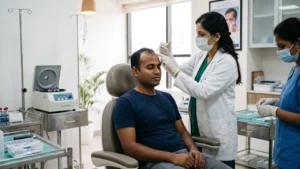
A cannula is placed into a vein and the prescribed infusion is administered under supervision.
The duration varies according to the formulation and infusion rate.
Temporary effects such as discomfort or bruising at the cannula site can occur. More significant infusion reactions are uncommon but possible, which is why intravenous therapy should be administered in an appropriate medical setting.
Is IV Drip Therapy a Replacement for Skincare?
No. IV therapy and dermatological skincare address different aspects of skin health.
A person with pigmentation may require topical medication, chemical peels, laser-based treatment, or strict photoprotection. Someone with acne needs a plan directed at sebum production, follicular plugging, inflammation, and scarring risk. Skin laxity requires a different approach altogether.
IV therapy may be considered as a complementary intervention in selected situations rather than a replacement for evidence-based dermatological treatment.
If your goal is overall skin health alongside nutritional support, a broader assessment can be more useful than choosing an infusion based solely on its cosmetic claims.
IV Drip Therapy at Isya Aesthetics
At Isya Aesthetics, IV therapy is approached as a medically supervised treatment rather than a one-size-fits-all beauty procedure.
An individual’s goals, medical history, medications, allergies, hydration, nutritional status, and the proposed formulation should all be considered before treatment.
For those specifically exploring IV therapy in Delhi, you can learn more about the IV Drip Bar in Delhi and the available approach to IV wellness treatments.
If you are interested in treatments beyond skin-focused infusions, our NAD IV drips in Delhi guide covers NAD-focused IV therapy, including the considerations around its use and availability.
Frequently Asked Questions
Is IV drip good for skin?
IV therapy may provide hydration or nutritional support in selected circumstances, but there is insufficient evidence to consider cosmetic IV therapy a universal skin-improvement treatment. The appropriate approach depends on the individual’s health and the specific skin concern.
Which IV drip is best for skin?
There is no single best formulation. A hydration-focused infusion, nutritional formulation, or another medically appropriate option may be considered depending on the individual’s needs.
Is there an IV drip for skin whitening?
IV glutathione is marketed for skin lightening, but current evidence does not establish it as a reliable or routinely recommended cosmetic whitening treatment. Recent reviews highlight limited efficacy data and safety concerns.
What are the side effects of glutathione IV?
Potential risks include infusion-related reactions and complications associated with the intravenous route. The quality and sterility of compounded injectable products are also important safety considerations. The FDA reported serious adverse events linked to improperly compounded IV glutathione products in 2026.
How often should you get a glow drip?
There is no universally established frequency for cosmetic glow drips. Repeated treatment should be based on the specific formulation, medical indication, and professional assessment rather than a fixed beauty schedule.
Is IV better than oral supplements for skin?
Not automatically. IV administration bypasses the gastrointestinal tract, but this does not by itself demonstrate superior cosmetic results. The appropriate route depends on the individual’s nutritional and medical needs.
The Takeaway
IV therapy has become popular as a wellness and skin-focused treatment, but the name of the drip does not determine its value.
Hydration, nutrition, pigmentation, skin ageing, and other dermatological concerns require different approaches. Glutathione IV therapy, in particular, should not be promoted as a guaranteed skin-whitening treatment because current evidence remains limited and safety concerns exist.
The most appropriate IV formulation is therefore the one that has a clear rationale for the individual receiving it, with appropriate medical assessment and supervision.
If you’re considering an IV drip for skin health in Delhi, book a consultation at Isya Aesthetics to discuss your goals and determine whether IV therapy is appropriate for you.