Skip to content


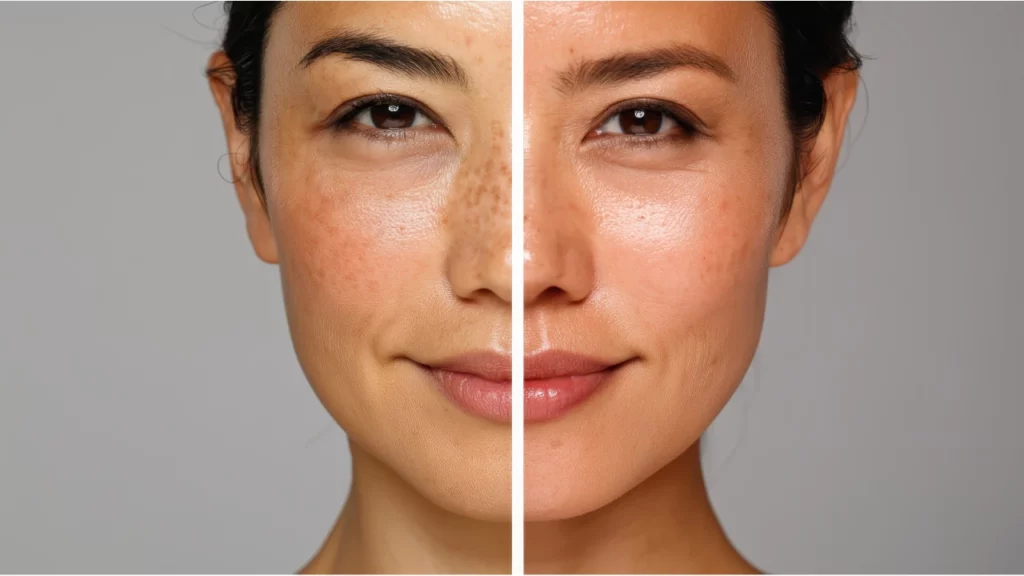
Table of Contents
Melasma is one of the most persistent forms of pigmentation. Even with regular skincare, many people notice that the patches return, darken, or do not respond fully to treatment. This makes it difficult to manage and often leads to confusion when choosing the right solution.
Patients frequently ask whether PRP vs skin boosters for melasma is the better option. Both are non-laser approaches and are commonly used as part of melasma treatment options, but they work in very different ways. One focuses on repair and regeneration, while the other improves skin quality and hydration.
The challenge is that melasma is not just a surface-level concern. It involves deeper skin changes, including pigment overproduction, inflammation, and damage from sun exposure. Because of this, selecting the right treatment depends on multiple factors such as skin type, severity, and treatment goals.
Understanding how each option works is important before making a decision. In this guide, we will break down PRP treatment for pigmentation and skin boosters for uneven skin tone in a clear and structured way, so you can decide which approach is more suitable for your skin.
What is Melasma?
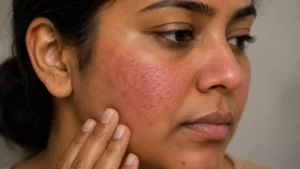
Melasma is a pigmentation condition where dark patches develop on areas like the cheeks, forehead, and upper lip. It occurs due to increased melanin production and often appears uneven.
The condition is influenced by multiple factors:
- Sun exposure
- Hormonal changes
- Genetic tendency
Unlike temporary pigmentation, melasma tends to return, especially when triggers are not controlled. This is why most dermatology treatments for melasma focus on both reducing pigment and improving overall skin function.
Because of its recurring nature, treatment usually requires a combination approach rather than a single solution.
What is PRP Therapy?
Platelet-Rich Plasma therapy is a regenerative treatment that uses your own blood to support skin repair. A small sample is processed to extract plasma rich in growth factors, which is then introduced into the skin.
In PRP treatment for pigmentation, these growth factors help regulate pigment pathways and improve how the skin heals and functions.
Clinical data supports its role in melasma management:
- Around 54.5% reduction in melasma severity with PRP alone
- Up to 82% improvement when combined with topical treatments
- Over 90% patient satisfaction reported
PRP works gradually and is usually done over multiple sessions to build results.
What Are Skin Boosters?
Skin boosters are injectable treatments used to improve overall skin quality and hydration. They are commonly used as part of skin boosters for uneven skin tone, especially when dullness and dehydration are present along with pigmentation.
At a treatment level, skin boosters involve:
- Microinjections of hydrating agents such as hyaluronic acid
- Improvement in skin hydration and moisture balance
- Enhancement of overall skin texture and smoothness
Common options include hyaluronic acid skin boosters like Redensity and Volite, as well as regenerative formulations such as polynucleotides (PDRN) found in treatments like Rejuran and Nucleoskin.
Instead of directly targeting pigment pathways, skin boosters work by improving the skin environment. By supporting hydration and cellular function, they help the skin appear clearer and more even over time.
PRP vs Skin Boosters for Melasma: Key Differences
Understanding the difference between PRP vs skin boosters for melasma is important because both treatments target different aspects of the condition. While one focuses on repair, the other improves skin quality.
a. Mechanism of Action
- PRP → Regeneration and collagen stimulation
- Skin boosters → Hydration and skin quality improvement
PRP works by delivering growth factors that activate repair processes within the skin. This helps improve collagen production and supports regulation of pigment activity over time.
Skin boosters, on the other hand, focus on restoring hydration and improving how the skin functions. Ingredients like hyaluronic acid and polynucleotides support fibroblast activity and strengthen the skin barrier.
b. Effect on Pigmentation
- PRP → May help reduce pigment through repair
- Skin boosters → Indirect improvement via skin health
PRP targets the underlying skin environment, which may help reduce pigment by improving cellular repair.
Skin boosters do not directly act on pigment but improve overall skin clarity by enhancing hydration and reducing surface dullness.
c. Treatment Goals
- PRP → Repair-focused
- Skin boosters → Hydration and glow
PRP is used when the goal is long-term correction and improving skin function.
Skin boosters are chosen when the focus is smoother, hydrated skin with improved texture and radiance.
d. Results Timeline
- PRP → Gradual improvement
- Skin boosters → Faster visible hydration
PRP requires multiple sessions, with results developing gradually as regeneration takes place.
Skin boosters often show quicker improvement in hydration and skin smoothness, although their effect on pigmentation is more supportive.
e. Suitability
- PRP → Stubborn pigmentation cases
- Skin boosters → Mild uneven tone and dull skin
PRP is more suitable for deeper or persistent melasma that does not respond easily to topical care.
Skin boosters are better suited for early-stage pigmentation, uneven tone, and cases where skin quality is also a concern.
Which Treatment is Better for Melasma?
Choosing between PRP and skin boosters depends on your skin condition and treatment goals. The table below helps simplify the decision:
| Factor | PRP | Skin Boosters |
| Best suited for | Deeper, persistent pigmentation | Mild pigmentation, resistant melasma and uneven tone |
| Primary goal | Repair and regeneration | Hydration and skin quality |
| How it works | Stimulates collagen and regulates pigment pathways | Improves hydration and supports skin function |
| Results timeline | Gradual improvement over multiple sessions | Faster visible improvement in hydration and texture |
| When to choose | When pigmentation is resistant or long-standing | When skin appears dull, dehydrated, or uneven or melasma is resistant |
In many cases, a combination approach works better. PRP supports repair and pigment control, while skin boosters improve hydration and strengthen the skin barrier. Together, they form a balanced approach within non-laser pigmentation treatment.
Benefits and Limitations
Both treatments play different roles in managing melasma. Understanding their strengths and limitations helps in choosing the right approach and setting realistic expectations.
PRP
- Pros:
- Natural treatment using your own plasma
- Supports collagen stimulation therapy
- Helps improve skin repair and regeneration
- May assist in regulating pigment activity
- Improves overall skin quality over time
- Useful for persistent or deeper pigmentation
- Limitations:
- Requires multiple sessions for visible results
- Results are gradual, not immediate
- May need to be combined with other treatments
- Not a quick-fix solution for surface pigmentation
PRP is more suited for long-term improvement. It works at a deeper level, making it effective in cases where pigmentation is resistant and requires regeneration-based support.
Skin Boosters
- Pros:
- Improves hydration and moisture balance
- Enhances skin texture and smoothness
- Data proven to improve melasma
- Provides visible glow and skin freshness
- Supports skin barrier function
- Helps improve mild uneven skin tone
- Useful as hydration therapy for skin
- Minimal downtime and quick recovery
- Limitations:
- Does not directly target pigment production but does improve the skin which can reduce melasma significantly.
- Results are more supportive than corrective
- Effects may require maintenance sessions
Skin boosters are ideal when the concern includes dehydration, dullness, or early-stage pigmentation. They improve how the skin looks and feels, but are often used alongside other treatments for better results.
Safety and Professional Guidance
Both PRP and skin boosters are minimally invasive procedures, but they still require clinical expertise. Melasma is a complex condition that varies in depth and cause, so treatment cannot be standardised. A proper consultation helps assess the depth of pigmentation, skin type, and underlying triggers such as sun exposure or hormonal factors. Based on this, a customised plan is created, which may include PRP, skin boosters, or a combination approach depending on what the skin requires.
What to Expect During Treatment
Both PRP and skin boosters are performed as in-clinic procedures and are planned based on individual skin needs and the severity of melasma.
Procedure Overview
- PRP → Involves drawing a small amount of blood, processing it to obtain platelet-rich plasma, and introducing it into the skin through microinjections
- Skin boosters → Involve microinjections of hydrating agents such as hyaluronic acid (Redensity, Volite) or polynucleotides (Rejuran, Nucleoskin) across targeted areas
Both treatments are done in a controlled clinical setting and focus on improving skin function rather than surface-level correction.
Downtime (Minimal)
- PRP → Mild redness or sensitivity may occur for a few hours to a day
- Skin boosters → Temporary redness, slight swelling, or injection marks may be seen, usually settling within a short period
In both cases, downtime is minimal, and patients can return to routine activities soon after the session.
Number of Sessions
- PRP → Typically requires multiple sessions spaced a few weeks apart to build gradual improvement
- Skin boosters → Usually done in a series of sessions followed by maintenance, depending on skin condition
The exact number of sessions varies based on pigmentation severity, skin response, and overall treatment goals.
When to Consult a Specialist
Melasma often does not respond fully to basic skincare alone. If pigmentation persists or continues to return, it is important to seek professional advice early.
- Persistent pigmentation that does not fade with routine care
- Uneven skin tone that continues to worsen or spread
- Confusion between treatment options such as PRP and skin boosters
A clinical evaluation helps determine the depth of pigmentation and guides the right improve skin discoloration treatment, preventing further progression.
Conclusion
At Isya Aesthetics, treatments such as PRP therapy, hyaluronic acid skin boosters like Redensity and Volite, and polynucleotide-based therapies like Rejuran are used as part of customised plans for melasma. These treatments are performed under the supervision of experienced doctors, including Dr. Kiran, ensuring safe and appropriate treatment selection.
Located in Vasant Vihar, South Delhi, Isya Aesthetics provides personalised care for pigmentation concerns. Patients can explore the About Us and Medical Team sections to understand the clinic’s expertise before starting treatment.
Not sure which treatment is right for your skin? Book a consultation to get a personalized plan for managing melasma.
FAQs
Is PRP effective for melasma?
PRP may help improve melasma by supporting skin repair and regulating pigment activity. It works gradually over multiple sessions and is often used for deeper or persistent pigmentation.
Are skin boosters good for pigmentation?
Skin boosters improve hydration and overall skin quality. While they do not directly target pigment, they help create a more even skin tone over time and have been shown to improve melasma likely through improving the health of the skin.
Which is better, PRP or skin boosters?
Both treatments serve different purposes. PRP focuses on repair, while skin boosters improve hydration and texture. The right choice depends on your skin condition.
Can PRP and skin boosters be combined?
Yes, combining both treatments is common. PRP supports repair and pigment control, while skin boosters improve hydration and skin quality.
How many sessions are needed?
Most treatments require multiple sessions spaced over a few weeks. The exact number depends on pigmentation severity and individual response.
Are these treatments safe?
Yes, when performed by trained professionals, both PRP and skin boosters are considered safe. A proper consultation is important before starting treatment.