Skip to content


Table of Contents
Rapid weight loss can feel like a major milestone, but the number on the scale is only one part of the process. When body weight decreases quickly, changes can also occur in the skin, facial structure, muscle mass, hydration, and nutritional status.
This has become particularly relevant with the growing use of GLP-1 medications such as semaglutide and tirzepatide. While these medications can support medically supervised weight management in appropriate patients, substantial weight loss may leave some people noticing loose skin after weight loss, facial volume loss, reduced muscle mass, or changes in skin quality.
Not every post-weight-loss change requires treatment. Some improve gradually as weight stabilizes, while others may benefit from nutrition, exercise, skincare, or aesthetic procedures.
What Happens to the Body After Rapid Weight Loss?
Weight loss involves more than reducing stored body fat. Depending on the amount and rate of weight reduction, nutrition, physical activity, age, genetics, and the method used, changes may occur in:
- Skin elasticity
- Subcutaneous fat volume
- Facial fullness
- Muscle mass
- Nutritional intake
- Hydration and skin quality
The degree of change varies between individuals, particularly after substantial weight loss.
1. Loose and Sagging Skin After Weight Loss
One of the most visible side effects of weight loss is loose or sagging skin.
When skin has been stretched by excess body weight, it may not fully contract after the underlying volume decreases. Collagen and elastin, age, genetics, sun exposure, smoking, the amount of weight lost, and how long the skin remained stretched can all influence skin retraction.
Loose skin may appear around the abdomen, arms, thighs, breasts, buttocks, neck, and jawline.
For a deeper look at this issue, read our guide to sagging skin after significant weight loss.
Can loose skin tighten on its own?
Some improvement can occur naturally, particularly when weight loss is modest. Skin remodeling also continues after weight stabilizes, so the final degree of laxity may not be immediately apparent.
However, significant excess skin may persist despite diet and exercise.
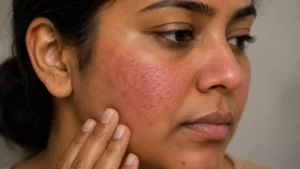
2. Facial Volume Loss and “Ozempic Face”
The face can also change after substantial weight loss because facial contours partly depend on subcutaneous fat.
Reduced facial volume can make the cheeks and temples appear less full and may make existing lines or folds more noticeable. The informal term “Ozempic face” is often used for these changes when they occur after GLP-1-associated weight loss, although the phenomenon is not unique to Ozempic.
For a detailed explanation, see Ozempic face and facial volume loss.
Can facial volume loss be prevented?
It cannot always be completely prevented because some facial fat loss may naturally accompany overall weight reduction. A gradual, medically supervised approach, adequate nutrition, resistance training, and avoiding unnecessary calorie restriction may support healthier changes in body composition.
Once significant volume has been lost, skincare cannot replace it. Selected patients may be candidates for dermal fillers or biostimulatory treatments depending on the type and degree of volume loss.
3. Muscle Loss During Weight Reduction
Weight loss can involve both fat and lean mass. The amount of muscle lost depends on factors including protein intake, resistance training, calorie restriction, starting body composition, and the pace of weight loss.
This is particularly relevant during GLP-1-based weight management because appetite suppression can make it harder for some people to consume sufficient protein and calories.
Strategies that support muscle preservation include:
- Adequate protein intake
- Regular resistance training
- Avoiding unnecessarily aggressive calorie restriction
- Maintaining adequate overall nutrition
Read more about preserving muscle after GLP-1 weight loss.
4. Nutrient Gaps and Changes in Skin Quality
Reduced appetite can sometimes lead to lower overall food intake or a less varied diet. If nutritional intake becomes inadequate, skin and hair quality may be affected alongside energy levels and general wellbeing.
Some people may notice:
- Dry or dull-looking skin
- Changes in hair quality
- Reduced skin resilience
- Fatigue
These symptoms do not automatically indicate a nutrient deficiency. If deficiency is suspected, dietary assessment and, where clinically appropriate, laboratory testing can help identify the underlying issue.
What foods support skin after weight loss?
There is no food that can directly tighten loose skin. A balanced diet can, however, provide nutrients needed for normal skin maintenance and collagen production.
Prioritize:
- Protein: eggs, dairy, fish, poultry, legumes, and soy
- Vitamin C: citrus fruits, guava, amla, berries, and bell peppers
- Healthy fats: nuts, seeds, avocado, and omega-3 sources
- Micronutrients: a varied intake of vegetables, fruits, whole grains, and legumes
For more on this topic, explore nutrition for skin elasticity and skin tightening.
How to Minimize the After-Effects of Rapid Weight Loss
The most useful strategy is to support healthy body composition during weight loss rather than addressing every change afterward.
Prioritize Protein and Resistance Training
Adequate protein provides amino acids needed for muscle maintenance, while resistance training provides a stimulus for preserving lean mass.
Protein requirements vary according to factors such as body weight, activity, age, kidney health, and overall diet, so individualized guidance is appropriate for people with medical conditions or specific nutritional needs.
Avoid Unnecessarily Aggressive Weight Loss
A rapid reduction in body weight is not necessarily a better outcome.
A medically supervised weight-management plan can account for the individual’s health status, nutrition, physical activity, medication, and treatment goals.
If a GLP-1 medication is being used, the treatment and dosing plan should remain under the supervision of the prescribing clinician.
Allow Time for Weight Stabilization
Skin and soft tissues do not immediately adapt when body weight changes. Allowing a period of weight stability can make it easier to determine which changes are temporary and which require intervention.
What Helps Loose Skin After Weight Loss Besides Surgery?
When laxity persists after weight stabilization, selected patients may consider non-surgical treatments.
Ultherapy
Ultherapy uses focused ultrasound energy to target deeper tissue and stimulate collagen remodeling. It may be appropriate for selected areas of facial and neck laxity.
Learn more about Ultherapy for post-weight-loss skin laxity.
Other Non-Surgical Options
Depending on the location and degree of laxity, a dermatologist may consider:
- Focused ultrasound-based treatments
- HIFU/MIFU approaches
- Selected radiofrequency technologies
- PRP for appropriate indications
- Mesotherapy or other skin-quality treatments
These procedures are intended to improve firmness, skin quality, or collagen remodeling. They do not remove large amounts of excess skin.
Explore non-surgical skin tightening after weight loss for a broader overview.
Facial Volume Loss Requires a Different Approach
Skin tightening and volume restoration address different problems.
If weight loss has primarily reduced facial fat, tightening alone may not restore lost contours. A dermatologist may assess whether the dominant concern is:
- Skin laxity
- Fat-volume loss
- Structural changes
- A combination of these factors
For selected patients, fillers or biostimulatory treatments may be considered to restore volume or improve structural support.
When Should You See a Professional?
A professional assessment is useful when:
- Weight loss has been substantial or rapid
- Loose skin remains after weight stabilization
- Facial hollowing has become noticeable
- You are concerned about muscle loss
- Reduced appetite is making adequate nutrition difficult
- Persistent fatigue or other symptoms raise concern about nutritional status
- You are considering GLP-1 medication
- You are unsure whether the main issue is skin laxity or volume loss
A dermatologist can evaluate skin and facial changes, while medical and nutrition professionals can address weight management and dietary concerns.
A Personalized Approach at Isya Aesthetics
Post-weight-loss changes rarely have one universal solution.
At Isya Aesthetics, assessment focuses on identifying what has actually changed — whether the concern is skin laxity, facial volume loss, skin quality, or body-composition changes.
Depending on the findings, the plan may include:
- Skin-tightening treatments
- Facial volume restoration
- Skin-quality procedures
- Nutrition and lifestyle guidance
- Coordination with medical weight-management care where appropriate
For individuals considering medically supervised weight reduction, explore our medical weight management program and GLP-1 weight loss injections.
Frequently Asked Questions
How long does it take for skin to tighten after weight loss?
There is no fixed timeline. Skin remodeling can continue for months after weight stabilizes, and the degree of natural tightening varies according to age, genetics, skin elasticity, and the amount of weight lost.
Does Ozempic make your skin sag?
Ozempic does not directly make skin loose. However, substantial weight loss associated with treatment can reduce underlying fat volume, making loose skin or facial volume changes more noticeable in some individuals.
What is “Ozempic face”?
“Ozempic face” is an informal term for facial volume loss or changes in facial appearance following significant weight loss. It is not a formal medical diagnosis and is not exclusive to Ozempic.
What helps loose skin after weight loss besides surgery?
For selected patients, non-surgical treatments such as focused ultrasound or other energy-based procedures may improve skin firmness and collagen remodeling. Their suitability depends on the amount and severity of laxity.
Do you lose muscle on Ozempic or Mounjaro?
Some lean mass can be lost during weight reduction, including with GLP-1-based medications. Adequate protein intake and resistance training are important parts of a strategy aimed at preserving muscle.
The Takeaway
Rapid or substantial weight loss can affect more than body weight. Loose skin, facial volume loss, muscle loss, and changes in skin quality are among the concerns some people experience.
Supporting muscle with protein and resistance training, maintaining adequate nutrition, avoiding unnecessarily aggressive weight loss, and allowing time for weight stabilization can all be useful. When changes persist, the appropriate treatment depends on whether the primary concern is skin laxity, volume loss, or overall skin quality.
If you have recently lost significant weight and are concerned about loose skin, facial changes, or muscle loss, book a consultation at Isya Aesthetics for a personalized post-weight-loss assessment.