Skip to content


Table of Contents
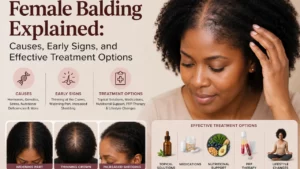
Hair loss in women is more common than many people realize. While shedding a certain amount of hair each day is normal, persistent thinning, widening of the hair part, reduced hair density, or noticeable scalp visibility can sometimes indicate female pattern hair loss or other forms of female alopecia.
Unlike male pattern baldness, female balding often develops gradually and may be influenced by a combination of genetic, hormonal, metabolic, nutritional, and environmental factors. Because the causes of hair loss in women can vary significantly, early recognition and appropriate evaluation are important in determining the most suitable management approach.
For women experiencing hair thinning in Delhi, advances in dermatology and hair restoration have made it possible to address hair loss through a range of medical and regenerative treatment options tailored to individual concerns.
What Is Female Balding?
Female balding, also known as female pattern hair loss (FPHL) or androgenetic alopecia in women, is a common condition characterized by progressive thinning of scalp hair and reduced hair density.
Unlike the distinct receding hairline often seen in men, women typically experience:
- Widening of the central hair part
- Diffuse thinning across the crown
- Reduced hair volume
- Increased scalp visibility
- Gradual reduction in hair density
Female balding can occur at any age but becomes more common after puberty, pregnancy, menopause, and during periods of hormonal change.
What Causes Female Balding?
Hair loss in women is often multifactorial. Several factors can contribute to changes in hair growth patterns and follicular health.
Genetics
A family history of female or male pattern hair loss may increase the likelihood of developing female pattern hair loss.
Hormonal Changes
Hormonal fluctuations associated with:
- PCOS
- Pregnancy
- Menopause
- Thyroid disorders
can affect the normal hair growth cycle.
Aging
As women age, hair follicles may gradually become smaller, resulting in thinner and shorter hair strands.
Nutritional Deficiencies
Deficiencies in nutrients such as iron, vitamin D, protein, and other micronutrients may contribute to increased hair shedding and poor hair quality.
Stress and Lifestyle Factors
Physical stress, emotional stress, illness, weight changes, and lifestyle habits can influence hair growth cycles and contribute to hair thinning.
What Are the Early Signs of Female Balding?
Early identification is important because outcomes are often more favorable when intervention occurs before significant follicular miniaturization.
Common early signs include:
- Increased hair shedding
- A widening hair part
- Reduced ponytail thickness
- Hair that appears finer than usual
- Increased scalp visibility
- Thinning around the crown
- Reduced hair density
- Slower hair regrowth
Many women initially notice changes in photographs or while styling their hair.
Female Pattern Hair Loss vs Temporary Hair Shedding
Not all hair loss in women is caused by female pattern baldness. Some forms of hair loss are temporary and may improve once the underlying trigger is identified and addressed.
Female Pattern Hair Loss (FPHL)
Female pattern hair loss is a progressive condition that typically develops gradually over time. It is often influenced by genetic and hormonal factors and commonly presents as:
- Widening of the central hair part
- Reduced hair density
- Thinning around the crown
- Gradual reduction in hair volume
Because female alopecia tends to progress over time, early diagnosis and management are important.
Telogen Effluvium (Temporary Hair Shedding)
Telogen effluvium is a common form of temporary hair shedding that occurs when a larger number of hair follicles enter the resting phase of the hair growth cycle. It may be triggered by factors such as:
- Physical or emotional stress
- Illness or fever
- Surgery
- Nutritional deficiencies
- Hormonal changes
- Rapid weight loss
- Certain medications
Unlike female pattern hair loss, telogen effluvium usually causes diffuse shedding across the scalp rather than progressive thinning in specific areas. In many cases, hair growth gradually improves once the underlying trigger has been addressed.
Understanding the difference between progressive hair thinning and temporary hair shedding is an important step in selecting the most appropriate approach.
What Treatment Options Are Available for Female Balding?
The management of female balding depends on several factors, including the underlying diagnosis, the duration and severity of hair loss, hormonal influences, age, scalp health, and individual goals. Because female hair loss is often multifactorial, treatment plans are typically personalized rather than standardized.
Depending on the cause and pattern of hair loss, treatment approaches may include:
Medical Management
In some cases, medical therapies may be recommended to help support the hair growth cycle, reduce excessive shedding, and slow the progression of androgenetic alopecia. Treatment recommendations depend on individual medical history and the underlying cause of hair loss.
Nutritional and Lifestyle Support
Nutritional deficiencies, stress, hormonal changes, and lifestyle factors can influence hair growth and hair quality. Addressing these contributing factors may form an important part of a comprehensive strategy.
Scalp Rejuvenation Treatments
Clinical scalp treatments may help optimize the scalp environment by addressing concerns such as inflammation, poor circulation, product buildup, and impaired follicular function. These approaches are often used alongside other hair restoration therapies.
Regenerative Hair Therapies
Regenerative procedures utilize growth factors and biologically derived components to support follicular activity, improve scalp health, and encourage healthier hair growth cycles. These therapies have become increasingly popular as non-surgical options for managing hair thinning in women.
Hair Restoration Procedures
For selected individuals, hair restoration procedures and combination approaches may be considered depending on the severity of hair loss and long-term goals.
Because early intervention often offers the greatest opportunity to preserve existing hair density, women experiencing persistent hair thinning or progressive hair loss may benefit from seeking professional evaluation sooner rather than later.
How Isya Aesthetics Approaches Female Hair Loss
Because female balding can result from a combination of genetic, hormonal, metabolic, nutritional, and age-related factors, there is rarely a single approach that is suitable for every patient. At Isya Aesthetics, recommendations are based on a comprehensive assessment of the individual’s hair loss pattern, scalp health, medical history, lifestyle factors, and long-term goals.
Depending on the underlying diagnosis and severity of hair thinning, management strategies may incorporate scalp therapies, regenerative treatments, growth factor technologies, and personalized hair restoration protocols. In many cases, combination approaches are used to support scalp health, preserve existing hair density, and encourage healthier hair growth cycles.
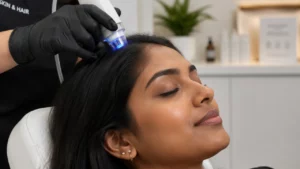
One of the regenerative therapies offered at Isya Aesthetics is Liquid Gold, an advanced growth factor treatment that utilizes highly purified growth factors and exosomes that are entirely autologous, meaning that it is derived from the patient’s own blood components.
How Does It Work?
Liquid Gold utilizes highly purified growth factors derived from the patient’s own blood components. It utilizes concentrated growth factors and exosomes derived from the patient’s own blood components and may be incorporated into personalized regenerative hair restoration protocols.
The treatment is designed to support the scalp environment, stimulate hair follicles and promote healthier hair growth cycles by targeting factors involved in follicular activity and hair regeneration and may be incorporated into broader hair restoration protocols.
What Condition Does It Help With?
Liquid Gold may be considered for selected individuals experiencing:
- Female and male pattern hair loss
- Diffuse hair thinning
- Increased hair shedding
- Reduced hair density
- Age-related hair thinning
- Reduced hair quality and hair thickness
Because female hair loss varies significantly from person to person, the suitability of regenerative therapies such as Liquid Gold depends on factors including the underlying cause of hair loss, scalp condition, degree of hair thinning, and individual goals.
Why Treatment Plans for Female Balding Need to Be Personalized
Female hair loss rarely has a single cause. Factors such as genetics, hormonal changes, age, nutritional status, stress, scalp health, and the duration of hair loss can all influence outcomes. In addition, women may present with different patterns of hair thinning, varying degrees of follicular miniaturization, and distinct goals.
For this reason, successful management often involves a personalized approach rather than relying on a single approach modality. Depending on the individual’s diagnosis and clinical presentation, management plans may incorporate medical therapies, scalp rejuvenation, regenerative procedures, nutritional support, and long-term maintenance strategies.
Frequently Asked Questions
What causes female balding?
Female balding can result from a combination of factors, including genetics, hormonal changes, aging, nutritional deficiencies, stress, medical conditions, and lifestyle factors. In many cases, more than one contributing factor influences changes in hair growth and hair density.
What are the early signs of female pattern hair loss?
Early signs may include increased hair shedding, widening of the central hair part, reduced ponytail thickness, thinning around the crown, increased scalp visibility, and slower hair regrowth.
Is female balding permanent?
The long-term course of female balding depends on the underlying cause. It is generally progressive and often requires ongoing management, whereas some forms of temporary hair shedding, such as telogen effluvium, may improve once contributing factors have been addressed.
Can female hair loss be managed?
A range of management approaches is available for women experiencing hair thinning, including medical therapies, nutritional support, scalp treatments, regenerative procedures, and hair restoration strategies. The most appropriate approach depends on the individual’s diagnosis, scalp health, and treatment goals.
What is the difference between female pattern hair loss and temporary hair shedding?
Female pattern hair loss typically presents as gradual thinning and reduced hair volume over time. Temporary hair shedding, often referred to as telogen effluvium, usually causes diffuse hair loss and may occur following stress, illness, hormonal changes, nutritional deficiencies, or other triggers.
When should women consult a dermatologist or doctor for hair loss?
Women should consider seeking professional evaluation if they experience persistent hair shedding, progressive thinning, widening of the hair part, visible scalp areas, bald patches, or noticeable changes in hair density or hair texture.
What management options are available for female hair thinning?
Management strategies may include medical therapies, nutritional interventions, scalp rejuvenation procedures, platelet-rich plasma (PRP), growth factor therapies, regenerative approaches, and personalized hair restoration protocols.
What is Liquid Gold hair treatment?
Liquid Gold is a regenerative growth factor therapy that utilizes highly purified growth factors derived from the patient’s own blood components. It may be incorporated into personalized hair restoration plans for selected individuals experiencing hair thinning or reduced hair density.
How long does it take to see results from hair regrowth treatments?
The timeline for improvement varies depending on the underlying diagnosis, the treatment approach used, and individual factors. Because hair growth occurs in cycles, visible changes often take several months to become noticeable.
Can younger women experience female balding?
Yes. Although female pattern hair loss becomes more common with age, some women may experience progressive hair thinning during their twenties or thirties, particularly if there is a genetic or hormonal predisposition.
How do doctors diagnose female pattern hair loss?
Diagnosis typically involves a detailed medical history, clinical examination, assessment of the pattern of hair loss, evaluation of scalp health, and, in some cases, additional investigations to identify contributing factors.
How far do patients travel to visit Isya Aesthetics in New Delhi?
Many patients visit Isya Aesthetics from across the world, but also locally in Delhi and neighboring regions, including South Delhi areas such as Hauz Khas, Safdarjung Enclave, Defence Colony, Greater Kailash, and South Extension, which are conveniently accessible from the clinic.