Skip to content


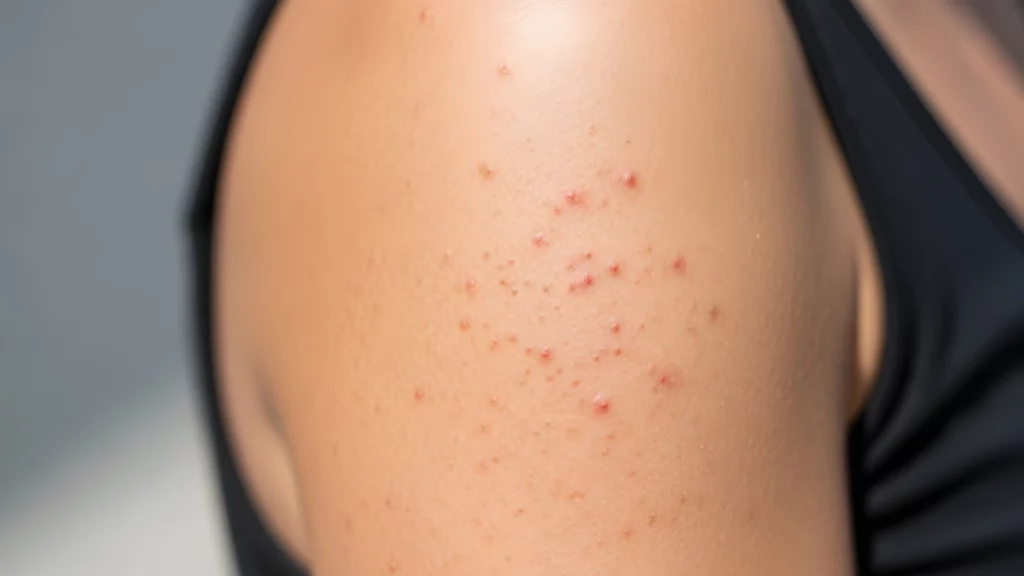
Table of Contents
Small bumps on your arms, thighs, or cheeks can be confusing — are they acne or something else? Many people mistake Keratosis Pilaris (often called “chicken skin”) for acne because both conditions involve bumps and clogged follicles. But the cause, appearance, and treatment for each are entirely different.
Understanding the difference is essential because acne creams or scrubs won’t fix KP, and using the wrong routine can make the bumps worse. This guide breaks down Keratosis Pilaris vs acne, how to tell them apart, what symptoms to look for, and the most effective treatment options based on Isya’s protocols.
What Is Keratosis Pilaris? (KP)
Keratosis Pilaris is a very common and harmless skin condition caused by keratin buildup inside hair follicles. Instead of shedding normally, keratin plugs the pore, creating tiny, rough bumps that look like follicular dots on the skin.
KP is not an infection, not hormonal, and not related to oil glands — which is why it behaves completely differently from acne.
Common Areas Affected
- Upper arms
- Thighs
- Buttocks
- Cheeks (less common)
KP tends to worsen in winter, during periods of dryness, or when the skin barrier is compromised.
Keratosis Pilaris Symptoms
If you’re trying to identify whether your bumps are KP, look for these classic signs:
- Tiny, uniform bumps that feel rough or sandpaper-like
- Follicular bumps on the skin—each bump sits exactly where a hair follicle is
- Dryness and texture, especially after bathing
- Mild redness around bumps (known as keratosis pilaris rubra)
- Non-inflammatory bumps that rarely hurt
- No pus, no pain, and no major swelling
These characteristics differentiate KP clearly from acne.
What Causes Keratosis Pilaris?
KP forms when your body produces excess keratin, which gets trapped inside the follicle. Triggers include:
- Genetics (most common)
- Dry or sensitive skin
- Atopic tendencies
- Climate changes and winter dryness
Because it is rooted in keratin plugging hair follicles, KP responds best to treatments that target the hair follicle itself not acne medicines.
Acne: How It Differs
Acne comes from blocked oil glands, excess sebum, and bacterial activity. It can occur anywhere but is most common on the face, chest, and back.
Acne Symptoms
- Red, inflamed bumps
- Whiteheads, blackheads, or cysts
- Pus-filled pimples
- Tenderness or pain
- Post-acne marks or pigmentation
While KP bumps remain dry and uniform, acne lesions vary in size, intensity, and inflammation.
Keratosis Pilaris vs Acne: Key Differences
| Feature | Keratosis Pilaris | Acne |
| Cause | Keratin plug in hair follicle | Oil, bacteria, clogged pores |
| Bump type | Tiny, rough, sandpaper-like | Red, inflamed, pus-filled |
| Pain | Not painful | Often tender |
| Skin feel | Dry, textured | Oily or combination |
| Appearance | Uniform follicular bumps | Mixed lesions and blackheads |
| Treatment | Laser hair reduction | Acne-specific treatments |
The simplest test?
If your bumps feel dry and grainy, it’s likely KP.
If they feel inflamed or oily, you may be dealing with acne.
Best Treatment for Keratosis Pilaris
At Isya, the most effective long-term treatment for KP is Laser Hair Reduction (LHR), because KP forms in the hair follicle itself. Reducing the thickness and density of hair leads to fewer keratin plugs, smoother texture, and reduced follicular bumps over time.
1. SoftTouch Laser Hair Reduction (Moveo Technology – 755 nm Alexandrite)
SoftTouch is Isya’s premium, pain-free laser hair removal system. It uses Moveo technology, which delivers slow, repetitive passes to heat the hair follicle evenly without causing surface burns or irritation — ideal for sensitive or bumpy KP skin.
How SoftTouch Helps KP
- Uses a true Alexandrite 755 nm wavelength, which is excellent for targeting fine, light, and stubborn hair (common in KP areas).
- Moveo mode ensures virtually painless, controlled heating.
- Reduces hair in the affected area, lowering chances of keratin plugs forming.
- Over sessions, skin becomes smoother and softer to the touch.
Experience at Isya
- Very comfortable, almost painless
- Safe for arms, thighs, and buttocks (common KP zones)
- No downtime
- Great for those with sensitive or reactive skin
Sessions Needed
Usually 6–8 sessions, depending on hair thickness and the degree of KP roughness.
2. Soprano Laser Hair Reduction (Diode Laser)
Isya also offers Soprano, a popular diode laser known for its SHR (Super Hair Removal) technology, which works with gradual heating — similar to SoftTouch — but suited for a broader range of skin types.
Why Soprano Works Well for KP
- Diode lasers effectively target thicker and medium hair, reducing follicular congestion.
- SHR mode prevents sharp zaps, making it gentler for KP-prone skin.
- Consistent hair reduction helps decrease rough keratinized bumps over time.
- Good for people wanting a comfort-first laser experience.
Experience at Isya
- Smooth, rolling technique
- Minimal discomfort
- Suitable for large KP areas
- Safe and stable for repeated sessions
Sessions Needed
Typically 6–8 sessions for visible textural improvement and hair reduction.
Best Treatment Options for Acne
Since this blog focuses on KP, here is a concise, helpful summary for acne:
- Acne requires treatments that address oil glands, bacteria, and inflammation.
- Options include acne-safe peels, medical facials, and acne-focused lasers (depending on the severity).
- These treatments help unclog pores, reduce breakouts, and improve healing of acne marks.
Acne and KP may sometimes coexist, but they always require different treatment approaches.
When to Consult a Doctor
Seek professional evaluation if:
- You are unsure whether your bumps are KP or acne
- Your KP is severe, red, or bothersome
- Over-the-counter creams have not improved texture
- You are considering laser treatments and want the right protocol
A trained aesthetic and wellness doctor can help personalise a plan based on your skin and hair follicle type.
Conclusion
Keratosis Pilaris and acne may look similar at first glance, but they behave very differently. KP is a texture condition caused by keratin buildup in the hair follicle, while acne is driven by oil glands and inflammation. Because of this, KP responds best to Laser Hair Reduction, and at Isya, advanced systems like Soprano and Soft Touch offer smooth, long-lasting improvement.
If you’ve been confused about the tiny bumps on your skin, understanding the difference helps you choose the right, effective treatment — and finally get the smooth, clear texture you want.
FAQs
Are Keratosis Pilaris bumps the same as acne bumps?
No. KP bumps are dry, tiny, and uniform, while acne bumps are inflamed, painful, and may contain pus.
What is the best treatment for Keratosis Pilaris?
Laser Hair Reduction is the most effective long-term treatment because KP originates in the hair follicle.
Why does KP get worse in winter?
Cold weather and low humidity dry out your skin, increasing keratin buildup and making bumps more visible.
Can I use acne creams to treat KP?
No. Acne creams target oil production, not keratin plugs, so they don’t help KP and may worsen dryness.
How long does Laser Hair Reduction take to improve KP?
Improvement is progressive across multiple sessions as hair density and follicular plugging reduce.
Is KP permanent?
KP is a chronic condition, but with consistent maintenance — especially LHR — it can stay smooth and controlled.
Can KP and acne exist together?
Yes, but they require separate treatments since their causes are completely different.